How I Found Calm Through Traditional Chinese Wisdom
Have you ever felt overwhelmed by stress, yet nothing seemed to help? For years, I struggled with emotional ups and downs until I discovered how Traditional Chinese Medicine (TCM) views emotions as energy in motion. Unlike quick fixes, TCM focuses on balance—aligning body, mind, and daily habits. What changed for me wasn’t a pill, but a shift in perspective. This is the journey I wish I’d started sooner.
The Emotional Rollercoaster: Why Modern Life Throws Us Off Balance
In today’s fast-paced world, emotional turbulence has become almost routine. Many women between 30 and 55 report feeling stretched thin—managing work, family, aging parents, and personal health, often with little time left for themselves. Stress, irritability, and low-grade anxiety are not signs of personal failure, but natural responses to sustained pressure. In Western thinking, these emotions are often labeled as symptoms to suppress, managed with temporary solutions like medication or self-care retreats. However, Traditional Chinese Medicine offers a different understanding: emotions are not problems to eliminate, but vital forms of energy that reflect the state of our internal systems.
According to TCM, each major emotion is linked to a specific organ and its flow of Qi, the body’s vital energy. Anger, for example, is associated with the liver; excessive frustration or repressed rage can disrupt the smooth flow of liver Qi, leading to physical symptoms like headaches, menstrual discomfort, or tightness in the shoulders. Worry and overthinking affect the spleen, which in TCM governs digestion and mental focus. When the spleen is burdened by constant mental activity, it can result in fatigue, poor appetite, or difficulty concentrating. Similarly, grief impacts the lungs, fear the kidneys, and excessive joy—when unbalanced—the heart. These connections show that emotional experiences are not isolated to the mind but are deeply woven into the body’s physiology.
Modern life tends to amplify these imbalances. Irregular schedules, constant digital stimulation, and a culture that values productivity over rest all interfere with the body’s natural rhythms. Many women find themselves in a cycle where emotional strain leads to physical symptoms, which in turn increase emotional distress. The key insight from TCM is that emotional imbalance is not a flaw, but a signal—like a warning light on a dashboard—that something within the system needs attention. Instead of ignoring or medicating these signals, TCM invites us to listen, understand, and respond with care.
TCM’s Take on Emotion: It’s Not Just in Your Head
One of the most empowering aspects of Traditional Chinese Medicine is its holistic view of health. Emotions are not seen as purely psychological events but as dynamic forces that shape and are shaped by physical health. When emotions are expressed in moderation, they are a healthy part of life. But when they become excessive, prolonged, or suppressed, they can obstruct the flow of Qi and lead to disharmony. This perspective shifts the conversation from blame to awareness—rather than asking “Why am I so stressed?” we begin to ask, “What is my body trying to tell me?”
The Five Element Theory is a foundational concept in TCM that maps this mind-body connection. Each of the five elements—Wood, Fire, Earth, Metal, and Water—corresponds to an organ system, a season, a color, a sound, and an emotion. Wood is linked to the liver and gallbladder, with spring as its season and anger as its emotion. Fire governs the heart and small intestine, associated with summer and joy. Earth relates to the spleen and stomach, tied to late summer and worry. Metal connects to the lungs and large intestine, aligned with autumn and grief. Water corresponds to the kidneys and bladder, linked to winter and fear. These elements interact in a cycle of creation and control, maintaining balance when in harmony and causing disruption when out of sync.
For example, chronic worry—a common experience among women juggling multiple responsibilities—can weaken the Earth element. Since Earth controls Water in the Five Element cycle, a weakened spleen may fail to regulate the kidneys, leading to increased fear or anxiety. Similarly, unresolved anger can overstimulate the liver (Wood), which in turn can overact on the spleen (Earth), impairing digestion and mental clarity. These patterns are not abstract theories but observable realities in daily life. A woman who eats poorly under stress may notice bloating and fatigue, not realizing that her emotional state is directly affecting her digestive Qi. By understanding these connections, she gains the power to intervene before minor imbalances become chronic conditions.
Listening to Your Body: Early Signs of Emotional Imbalance
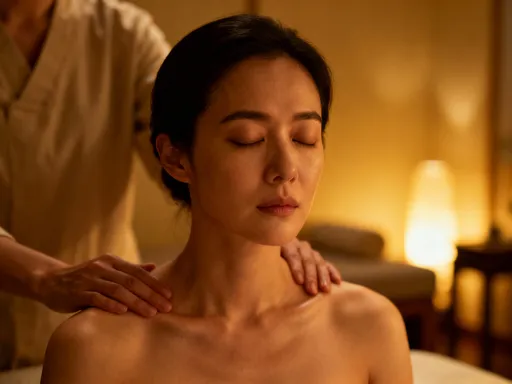
The body often speaks before the mind catches up. In TCM, physical sensations are viewed as early warnings of emotional stagnation or deficiency. Shoulder tension, for instance, is commonly tied to unexpressed anger or frustration. The liver meridian runs through the shoulders and neck, and when liver Qi becomes stagnant due to stress or repression, it can manifest as tightness, stiffness, or even migraines. Similarly, digestive issues such as bloating, constipation, or irregular appetite may signal excessive worry or mental strain affecting the spleen. Sleep disturbances—especially waking between 1 and 3 a.m.—are often linked to liver Qi stagnation, a time when the liver is most active in detoxifying and processing emotions.
Another subtle clue is changes in energy levels. Persistent fatigue, even after adequate rest, may point to spleen Qi deficiency caused by overthinking or emotional overwhelm. On the other hand, restless energy, difficulty winding down, or a racing mind at night may reflect heart fire, often triggered by excessive joy, excitement, or emotional agitation. Women who carry grief may notice shallow breathing, low motivation, or frequent colds, as the lungs are vulnerable during emotional withdrawal. These physical cues are not random; they are the body’s way of asking for balance.
Developing the habit of daily self-check-ins can transform how we relate to our emotions. Taking just a few minutes each morning or evening to scan the body—Where do I feel tension? What is my appetite like today? How did I sleep?—creates space for awareness. Journaling can deepen this practice. Writing down not just what happened in the day, but how it felt in the body, helps identify patterns. For instance, a woman might notice that arguments with her teenager consistently lead to stomach discomfort, revealing a connection between emotional stress and digestive Qi. Over time, this mindful observation builds emotional intelligence and reduces reactivity, allowing for more thoughtful responses instead of automatic reactions.
Daily Rhythms: Aligning with Nature’s Clock
In Traditional Chinese Medicine, health is deeply tied to rhythm—specifically, the body’s alignment with the natural cycles of day and night, seasons, and lunar phases. The concept of the organ clock illustrates how each organ system has a two-hour window during the 24-hour cycle when it is most active. For example, the liver’s peak time is between 1 a.m. and 3 a.m. Women who consistently wake during this window may be experiencing liver Qi stagnation, often rooted in unresolved anger, stress, or overwork. Similarly, the spleen is most active between 9 a.m. and 11 a.m., making this an ideal time for focused work—but also a vulnerable period if digestion is already weakened by poor diet or chronic worry.
Disruptions to these natural rhythms—such as irregular sleep, late-night screen use, or eating at odd hours—can impair organ function and emotional regulation. When we eat dinner late, for instance, the stomach and spleen are forced to work during a time meant for rest, leading to poor digestion and restless sleep. Similarly, using electronic devices past 10 p.m. stimulates the heart and mind, making it harder to transition into the calm state needed for deep sleep. Over time, these small imbalances accumulate, weakening the body’s resilience and increasing emotional volatility.
Restoring rhythm begins with simple, consistent habits. Going to bed by 10:30 p.m. allows the body to enter deep repair mode during the liver’s detoxification window. A calming bedtime routine—such as sipping warm tea, reading, or practicing gentle stretches—signals the body that it’s time to wind down. In the morning, rising with the sun supports the lung’s function of governing Qi and respiration. Starting the day with a few minutes of deep breathing or mindful movement helps activate the Qi for the day ahead. These practices are not rigid rules but gentle invitations to realign with the body’s innate wisdom. When daily life moves in harmony with natural cycles, emotional energy flows more freely, reducing the buildup of stress and stagnation.
Food as Medicine: Nourishing Emotional Health from Within
In TCM, food is not just fuel—it is medicine that shapes both physical and emotional well-being. The way food is prepared, its temperature, and its energetic properties all influence how it affects the body. For women managing stress, diet plays a crucial role in stabilizing Qi and supporting organ function. Cold, raw, or processed foods are believed to weaken the spleen and stomach, impairing digestion and reducing the body’s ability to transform food into usable energy. This can lead to fatigue, brain fog, and emotional fragility. In contrast, warm, cooked, and easily digestible meals—such as soups, stews, and steamed vegetables—nourish the spleen and provide steady, grounding energy.
Flavors also carry specific effects in TCM. The sweet flavor—found in whole grains, sweet potatoes, and mild spices like cinnamon—is associated with the spleen and has a calming, harmonizing effect. However, excessive sweetness, especially from refined sugar, can overburden the spleen and lead to dampness, a condition marked by sluggishness and mental heaviness. The sour flavor—present in lemon, vinegar, and fermented foods—supports the liver by helping to regulate the flow of Qi and contains anger. Bitter foods like leafy greens can clear heat from the heart, useful for those experiencing restlessness or irritability. Pungent flavors such as ginger and garlic promote circulation and help move stagnant Qi, while salty foods in moderation support the kidneys and help anchor the spirit.
Meal timing is equally important. Eating at regular intervals helps maintain stable blood sugar and Qi levels, preventing the emotional swings that come with hunger or overeating. Skipping meals, especially breakfast, can weaken spleen Qi and lead to afternoon fatigue and irritability. A nourishing morning meal—such as congee (rice porridge) with ginger and vegetables—grounds the body and supports mental clarity. Evening meals should be lighter and eaten before 7 p.m. to allow for proper digestion before sleep. By treating food as a form of daily self-care, women can build resilience from the inside out, creating a foundation for emotional balance that no supplement or quick fix can replicate.
Movement That Moves Emotions: Gentle Practices for Flow
Physical activity in Traditional Chinese Medicine is not about intensity or calorie burning, but about promoting the smooth flow of Qi. Stagnant energy, especially in the liver, is a common root of emotional distress. While vigorous exercise may seem like a solution, it can sometimes deplete Qi, especially in women who are already fatigued or stressed. TCM emphasizes gentle, rhythmic movement that connects breath, body, and mind. Practices such as Tai Chi, Qi Gong, and mindful walking are designed to release blockages, calm the spirit, and restore balance without overexertion.
Tai Chi, often described as “meditation in motion,” combines slow, flowing movements with deep abdominal breathing. Each posture is performed with intention, encouraging the release of tension and the circulation of Qi. Regular practice has been shown to reduce stress, improve sleep, and enhance emotional regulation. Qi Gong, another ancient practice, includes specific exercises to strengthen individual organ systems. For example, the “Six Healing Sounds” method uses breath and sound to clear excess heat or stagnation from the heart, liver, or lungs. These practices are accessible to women of all fitness levels and can be done in as little as ten minutes a day.
Even simple daily habits can make a difference. Taking a mindful walk in nature, focusing on the rhythm of footsteps and breath, helps ground the spirit and clear mental clutter. Stretching in the morning or before bed supports the free flow of Qi through the meridians. The key is consistency, not duration. Five minutes of deep breathing or gentle movement each day can gradually dissolve emotional tension and build inner resilience. Unlike high-intensity workouts that may leave the body depleted, these practices replenish energy and foster a sense of calm presence. Over time, women often find that their emotional reactions become less reactive and more responsive, allowing space for clarity and choice.
Creating Your Personal Wellness Blueprint
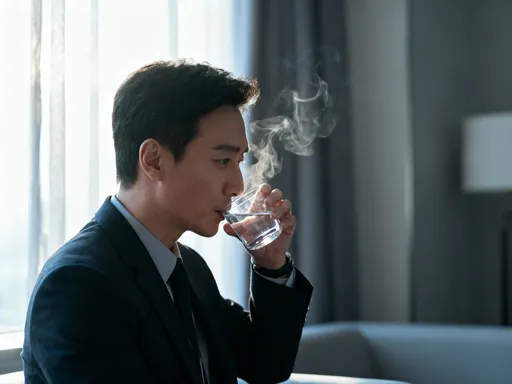
Integrating Traditional Chinese Medicine into daily life does not require a complete lifestyle overhaul. Lasting change comes not from perfection, but from small, sustainable shifts that align with individual needs and rhythms. The goal is not to follow a rigid set of rules, but to cultivate awareness and responsiveness. A personal wellness blueprint might begin with one simple adjustment—drinking warm water with lemon in the morning to support digestion, or setting a bedtime alarm to protect sleep. It could include a five-minute breathing practice before checking the phone, or choosing warm meals over cold salads during stressful weeks.
Tracking progress can be helpful, but not through numbers or strict goals. Instead, women might note how they feel—more energy, better sleep, fewer mood swings—as signs of improving balance. Journaling can help identify triggers, such as how certain foods, conversations, or times of day affect emotional state. Over time, patterns emerge, revealing what supports well-being and what depletes it. This self-knowledge becomes a powerful tool for making intentional choices. For example, a woman who notices that late meetings leave her anxious and unable to sleep might begin to set boundaries around work hours, protecting her evening routine.
It’s also important to practice self-compassion. Emotional healing is not linear. There will be days of progress and days of setback. TCM teaches that balance is a dynamic state, not a fixed destination. The aim is not to eliminate emotions, but to move with them—allowing anger to be expressed without explosion, grief to be felt without collapse, and joy to be embraced without excess. By viewing health as a continuous practice rather than a goal, women reclaim a sense of agency and peace. This approach fosters resilience, not through force, but through harmony.
True emotional wellness isn’t about eliminating feelings—it’s about moving with them. TCM doesn’t offer shortcuts, but it does offer wisdom: when body and breath are in harmony, emotions find their natural rhythm. This path isn’t about control, but connection. And sometimes, that’s enough to begin healing.