Why I Never Skip These Daily Habits After 40
Turning 40 was a wake-up call—I started noticing subtle changes in my skin, energy, and how my clothes fit. That’s when I realized aging isn’t just about time; it’s about how we treat our bodies every single day. I researched, tested, and fine-tuned simple but powerful body care habits that actually work. This is what transformed my daily routine and helped me feel stronger, smoother, and more vibrant from the inside out.
The Reality of Aging: What Changes After 40
After 40, the body begins to shift in ways that can no longer be ignored. Metabolism slows down, often by 5% per decade after age 30, making it easier to gain weight even without changes in diet. Muscle mass naturally declines, a process known as sarcopenia, beginning as early as the mid-30s but accelerating after 40. This loss of lean tissue affects not only strength but also posture, balance, and overall energy expenditure. At the same time, skin begins to lose elasticity due to reduced collagen and elastin production, leading to fine lines, dryness, and a less resilient texture.
These changes are often dismissed as “just part of getting older,” but that mindset can be misleading. While aging is a natural process, many of the symptoms associated with it are not inevitable. Research shows that lifestyle choices play a significant role in how we age. For example, a study published in the journal Clinical Interventions in Aging found that individuals who maintained consistent physical activity and proper nutrition experienced slower declines in muscle strength and skin integrity compared to their sedentary peers. This means that what many consider “normal” aging may actually be preventable decline.
Another common misconception is that aging only affects appearance. In reality, internal changes are equally important. Hormonal fluctuations, especially in women during perimenopause, can impact sleep, mood, and fat distribution. Joint stiffness, slower recovery from physical activity, and reduced cellular repair mechanisms are also part of the equation. The key is recognizing that aging is not a passive process; it’s a reflection of daily habits. When body care is prioritized—not as a reaction to aging but as a consistent practice—the effects can be profoundly positive.
Hydration: More Than Just Drinking Water
Hydration is often reduced to the simple advice of “drink eight glasses a day,” but true hydration goes far beyond water intake. After 40, the body’s ability to retain water diminishes, and the sensation of thirst becomes less reliable. This means that by the time you feel thirsty, you may already be mildly dehydrated. Chronic dehydration affects multiple systems: it can lead to dry, flaky skin, reduced joint lubrication, and even fatigue. Proper hydration supports cellular function, nutrient delivery, and detoxification, all of which are essential for maintaining vitality as we age.
Internal hydration involves more than just water. Electrolytes such as sodium, potassium, and magnesium play a crucial role in maintaining fluid balance within cells. Many people unknowingly deplete these minerals through diet, stress, or excessive caffeine. Incorporating water-rich foods like cucumbers, watermelon, oranges, and leafy greens not only increases fluid intake but also provides essential vitamins and antioxidants. Herbal teas and broths are excellent additions, especially in cooler months when people tend to drink less plain water.
External hydration is equally important. The skin’s moisture barrier weakens with age, making it more susceptible to environmental damage and moisture loss. A simple but effective routine includes using a humidifier at night, especially in dry climates or heated indoor environments. Applying a moisturizer within two minutes of bathing locks in moisture while the skin is still damp. Layering products—starting with a hydrating serum, followed by a nourishing cream—can significantly improve skin texture and resilience. These small, consistent steps help maintain both internal and external balance, supporting overall well-being in a way that feels effortless over time.
Movement as Medicine: Gentle Daily Exercise That Adds Up
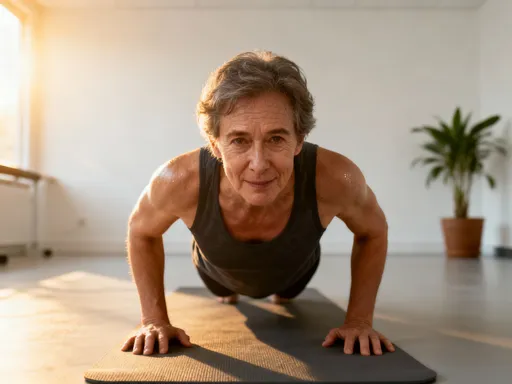
After 40, many women believe that effective exercise must be intense or time-consuming, but that’s a myth. In fact, gentle, consistent movement is often more beneficial than sporadic high-intensity workouts. The goal is not to push the body to its limits but to support long-term function, joint health, and muscle preservation. Daily movement helps maintain insulin sensitivity, supports circulation, and boosts mood through the release of endorphins. It also plays a critical role in preventing age-related muscle loss, which, if unchecked, can lead to frailty and reduced independence later in life.
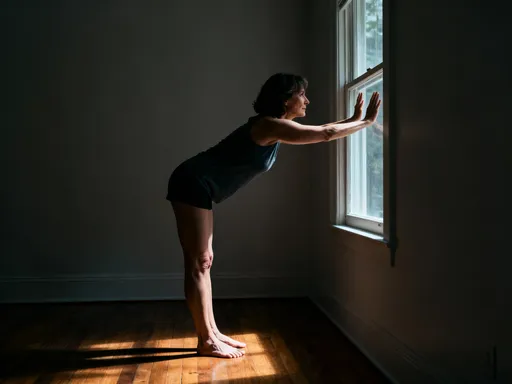
Walking is one of the most accessible and effective forms of exercise. A daily 30-minute walk, whether in the morning or after dinner, can improve cardiovascular health, aid digestion, and reduce stress. For those with joint concerns, walking on softer surfaces like grass or trails can minimize impact. Stretching, even for just 10 minutes a day, enhances flexibility and reduces stiffness. Simple routines like shoulder rolls, neck stretches, and seated forward bends can be done at home without any equipment. Resistance bands are another low-impact tool that can be used to maintain muscle strength. Unlike heavy weights, they provide adjustable resistance and are gentle on the joints, making them ideal for home use.
The real challenge for many women over 40 is not knowing how to fit movement into a busy schedule. The solution lies in integration, not overhaul. Taking the stairs instead of the elevator, parking farther from store entrances, or doing calf raises while brushing teeth are small actions that add up. The key is consistency, not perfection. Research from the American College of Sports Medicine shows that even short bursts of activity, when repeated throughout the day, contribute to improved metabolic health and reduced risk of chronic disease. Movement doesn’t have to be a chore—it can become a natural, enjoyable part of daily life.
Skin Care from the Inside Out: Beyond Serums and Creams
While topical products play a role in skin care, true radiance begins with nutrition. After 40, the skin’s natural repair processes slow down, and collagen production decreases by about 1% per year. This means that relying solely on creams and serums is not enough. The foods we eat directly influence skin texture, elasticity, and hydration. Nutrients like omega-3 fatty acids, vitamin E, and antioxidants are essential for maintaining a healthy skin barrier and reducing inflammation, which can accelerate aging.
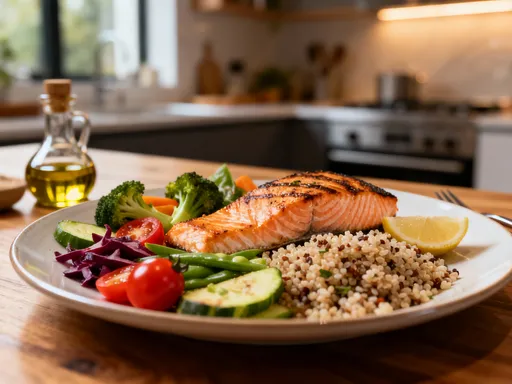
Omega-3s, found in fatty fish like salmon, flaxseeds, and walnuts, help maintain the skin’s lipid barrier, preventing moisture loss and reducing redness. Vitamin E, present in almonds, sunflower seeds, and spinach, acts as a protective shield against environmental damage, particularly UV radiation. Antioxidants such as vitamin C, found in citrus fruits, bell peppers, and strawberries, support collagen synthesis and help neutralize free radicals that contribute to premature aging. Including a variety of colorful fruits and vegetables in the diet ensures a broad spectrum of these beneficial compounds.
In my own routine, I made small but impactful changes. I started adding chia seeds to my morning oatmeal, switched to olive oil as my primary cooking fat, and made sure to include a serving of leafy greens with lunch or dinner. I also reduced processed sugars, which can trigger glycation—a process that damages collagen and elastin. On the topical side, I simplified my routine to a gentle cleanser, a hydrating serum with hyaluronic acid, and a moisturizer with SPF for daytime. This combination of internal nourishment and external protection led to visible improvements: my skin felt firmer, looked more even-toned, and stayed hydrated throughout the day. It wasn’t about chasing perfection but about supporting my body’s natural ability to renew itself.
Sleep and Recovery: The Silent Reboot for Body Renewal
Sleep is often the first habit sacrificed in a busy life, but after 40, it becomes one of the most critical. During deep sleep, the body repairs tissues, balances hormones, and consolidates memory. Poor sleep disrupts cortisol regulation, increases inflammation, and impairs insulin sensitivity, all of which accelerate aging. Many women in this age group also experience changes in sleep patterns due to hormonal shifts, stress, or lifestyle factors. Waking up tired, feeling sluggish in the afternoon, or noticing dull skin can all be signs of inadequate rest.
Creating an environment conducive to sleep is essential. The ideal bedroom temperature for sleep is between 60–67 degrees Fahrenheit (15–19 degrees Celsius), as a cooler environment supports the natural drop in body temperature needed for sleep onset. Reducing screen time at least one hour before bed helps minimize blue light exposure, which suppresses melatonin production. Instead, I adopted a calming pre-sleep ritual: reading a book, sipping herbal tea like chamomile or passionflower, and practicing a short gratitude journal. These activities signal to the body that it’s time to wind down.
Tracking progress doesn’t require complex tools. I began paying attention to how I felt upon waking: Was I refreshed or groggy? Did my skin look clear or puffy? Was my mood stable or irritable? These subtle indicators provided valuable feedback. Over time, I noticed that on nights with better sleep, my energy was more sustained, my skin appeared brighter, and I handled daily stressors with greater ease. Sleep isn’t a luxury—it’s a foundational pillar of health. Prioritizing it isn’t selfish; it’s an act of self-respect that pays dividends in every area of life.
Stress Management: Why Cortisol Is Aging Your Body Faster
Chronic stress is one of the most underestimated accelerators of aging. When the body is under constant stress, it produces elevated levels of cortisol, the primary stress hormone. While cortisol is necessary in short bursts for survival, long-term elevation leads to increased inflammation, fat storage (especially around the abdomen), reduced immune function, and impaired skin healing. For women over 40, who often juggle family, career, and personal responsibilities, stress can become a silent burden that wears down both mental and physical health.
The connection between stress and visible aging is well-documented. A study from the University of California, San Francisco, found that women with higher perceived stress levels had shorter telomeres—the protective caps on the ends of chromosomes—which are associated with cellular aging. This means that chronic stress doesn’t just make you feel tired; it can literally age your cells faster. The good news is that stress management doesn’t require drastic changes. Simple, daily practices can make a significant difference.
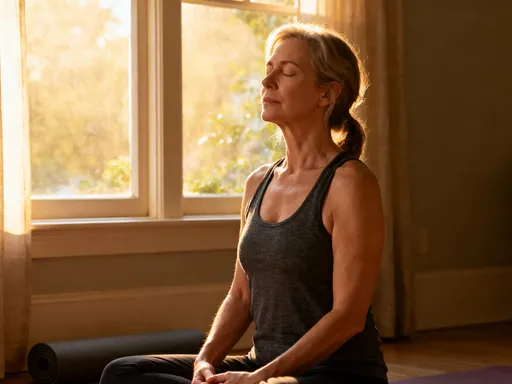
Breathwork is one of the most accessible tools. Taking five slow, deep breaths—inhaling through the nose for four counts, holding for four, exhaling for six—can activate the parasympathetic nervous system, signaling the body to relax. Journaling, even for five minutes a day, helps process emotions and gain clarity. I also began scheduling “pause moments” into my day: a short walk outside, a mindful cup of tea, or simply sitting quietly with my eyes closed. These small acts of stillness created space between stimulus and response, allowing me to react with more intention rather than impulse. Over time, I noticed improvements not just in my mood but in my digestion, skin clarity, and overall resilience. Managing stress isn’t about eliminating it entirely—it’s about building the capacity to navigate it with grace.
Consistency Over Perfection: Building Habits That Last
One of the biggest lessons I’ve learned is that transformation doesn’t come from extreme measures but from small, repeatable actions done consistently. After 40, the body responds better to steady, sustainable practices than to short-term fixes. Crash diets, over-exercising, or chasing the latest trend may offer temporary results, but they often lead to burnout and disappointment. True change happens when habits become so integrated into daily life that they no longer feel like effort.
I stopped focusing on the scale and started paying attention to how I felt. Did I have steady energy throughout the day? Could I climb stairs without getting winded? Did my clothes fit better? These were more meaningful indicators of progress than any number. I also stopped aiming for perfection. Missing a workout or eating something indulgent no longer felt like failure. Instead, I practiced self-compassion and returned to my routine the next day without guilt. This shift in mindset made all the difference.
Tracking progress didn’t require apps or complicated systems. I used a simple journal to note how I felt each week—energy levels, sleep quality, skin condition, and mood. Over time, patterns emerged. I saw that on days when I prioritized hydration and movement, I felt more balanced. When I skipped my evening wind-down routine, my sleep suffered. These observations helped me make informed choices without obsession. The goal wasn’t to look younger but to feel stronger, healthier, and more connected to my body. Aging is inevitable, but how we age is largely within our control. By focusing on daily habits rooted in science and sustainability, real transformation happens—slowly, steadily, and authentically. The best time to start was yesterday. The next best? Today.