You Won’t Believe What Gozo Hides in Its Wild Heart
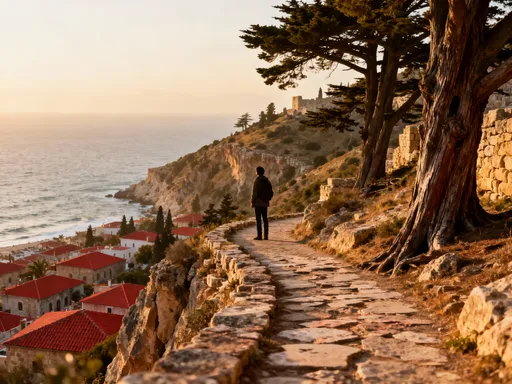
Nestled just off Malta’s coast, Gozo feels like a secret the Mediterranean has kept for centuries. Rolling hills, sea-carved cliffs, and ancient stone paths lead you into landscapes untouched by time. I came for the views but stayed for the soul-soothing silence of nature unfolding in raw beauty. This island doesn’t shout — it whispers, and you lean in closer. Far from the bustling energy of modern tourism, Gozo offers a rare gift: space to breathe, to wander, and to reconnect with the earth in its most honest form. Here, the rhythm of life follows the sun and the seasons, not schedules and screens. For travelers seeking more than postcard scenery, Gozo reveals itself slowly, rewarding patience with moments of quiet awe. It is not an escape from the world, but a return to what matters — simplicity, stillness, and the enduring power of natural beauty.
Arriving on Gozo: Stepping into a Slower World
The journey to Gozo begins with a twenty-five-minute ferry ride from the island of Malta, a short passage that feels like crossing into another era. As the mainland fades behind, the silhouette of Gozo rises gently on the horizon — low hills crowned with whitewashed villages, fields carved into terraces like steps leading up to the sky. The moment you step off the boat in Mgarr Harbour, the air changes. It is quieter, lighter, filled with the scent of wild thyme and sun-warmed stone. Traffic is sparse. Horns are unheard. Instead, the hum of daily life comes from the distant clip-clop of donkeys, the rustle of fig trees, and the soft murmur of Maltese spoken in doorways and village squares.
What strikes most visitors is the absence of haste. Gozo does not rush. Its people move with purpose but without urgency, tending to gardens, repairing dry stone walls, or sipping coffee at shaded tables long after the espresso is gone. This is not a place built for mass tourism, though it welcomes guests with open arms. The island’s infrastructure remains modest — narrow roads wind through countryside rather than concrete, and signs point to farms and chapels more often than shopping centers. Even the most popular villages, like Victoria (also known as Rabat), retain a lived-in authenticity. Their streets are not polished for cameras but worn smooth by generations of footsteps.
This slower rhythm is not accidental. Gozo has made a quiet commitment to sustainability and cultural preservation. Agriculture remains a cornerstone of island life, with many families still cultivating vineyards, orchards, and vegetable plots using traditional methods. Organic farming is on the rise, supported by local cooperatives and eco-conscious consumers. Visitors who come expecting luxury resorts or neon-lit nightlife will find something entirely different — and far more meaningful. What Gozo offers is not convenience, but connection: to land, to history, and to a way of life that remembers the value of stillness.
The transition from urban travel to rural immersion is one of Gozo’s greatest gifts. In a world where destinations often feel curated for Instagram, Gozo resists performance. It asks nothing of you but presence. Whether you arrive by ferry, bicycle, or foot, the island invites you to shed the noise of elsewhere and step into a deeper, quieter current of experience. This is where the journey truly begins — not with a checklist of sights, but with a shift in awareness.
The Azure Window’s Legacy and Dwejra’s Natural Drama
Dwejra Bay, on Gozo’s western coast, stands as a testament to nature’s power and patience. Once home to the iconic Azure Window — a towering limestone arch that collapsed in 2017 after centuries of erosion — the area remains one of the island’s most dramatic natural landscapes. Though the arch is gone, the essence of Dwejra endures. The sea still crashes through the remnants of rock, and sunlight still dances in the turquoise waters of the Inland Sea, a circular pool connected to the open Mediterranean by a narrow underwater tunnel. Snorkelers glide over seagrass beds and rocky outcrops, spotting damselfish, octopuses, and the occasional group of curious mullet.
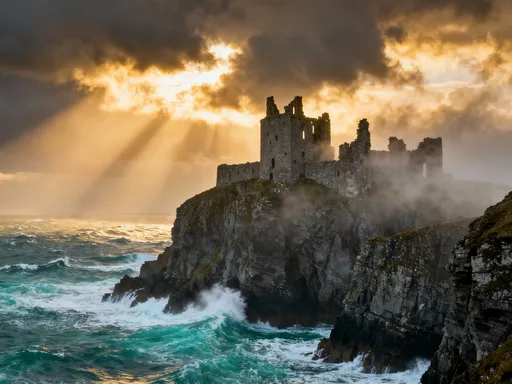
The loss of the Azure Window was mourned worldwide, but in Gozo, it was met with a quiet understanding. The islanders have always known that nature is not permanent — it is ever-changing, shaping and reshaping the land in rhythms far older than human memory. Rather than mourn the loss, many now see Dwejra as a reminder of nature’s sovereignty. The site continues to draw visitors, not for what it once was, but for what it still is: a raw, untamed expression of geological time. Fungus Rock, a solitary pillar rising from the waves nearby, adds to the mystique. Once believed to harbor a rare medicinal mushroom, the rock is now a protected habitat for seabirds and a symbol of the island’s deep-rooted folklore.
Dwejra is more than a scenic spot — it is a designated nature reserve and a UNESCO Global Geopark site, recognized for its unique geological formations and biodiversity. The surrounding cliffs are carved by wind and water into caves, arches, and deep fissures, telling the story of millions of years in layered stone. Interpretive signs along the walking paths explain the science behind the landscape, from the formation of salt crystals in rock crevices to the role of marine erosion in shaping the coastline. Rangers occasionally lead guided walks, offering insights into both the natural and cultural history of the area.
For responsible travelers, visiting Dwejra means treading lightly. Marked trails guide visitors along safe routes, protecting fragile vegetation and preventing erosion. Climbing on unstable rock formations is discouraged, and swimming in the Inland Sea is permitted only when conditions are calm. The message is clear: this is not a playground, but a living landscape that demands respect. By choosing to explore with care, visitors become stewards of the very beauty they have come to admire. In doing so, they honor not only the memory of the Azure Window but the enduring spirit of Gozo itself.
Ramla Bay: Red Sand and Timeless Beauty
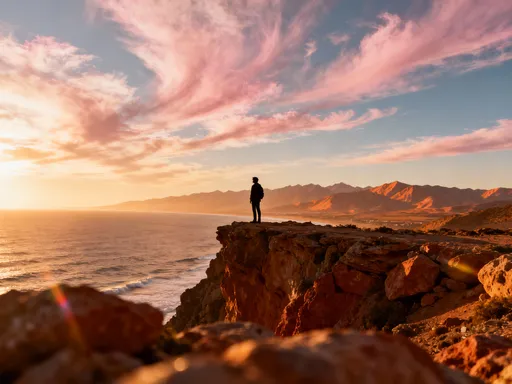
Ramla Bay, with its striking red-gold sand, is one of Gozo’s most beloved natural treasures. Unlike the white sands of tropical postcards, Ramla’s hue comes from iron oxide in the surrounding cliffs, giving the beach a warm, coppery glow that shifts with the light. At sunrise, the sand burns like embers; at midday, it glows softly under the sun; by evening, it fades into a dusky rose. The bay’s gentle slope into the sea makes it especially welcoming for families, with shallow waters ideal for children to splash and swim. Shade is limited, so visitors often bring umbrellas or rent simple sunbeds from the seasonal kiosk near the top of the cliff.
Legends cling to Ramla like salt to skin. Some say this was the shore where the nymph Calypso held Odysseus captive for seven years, delaying his return to Ithaca with promises of immortality. Whether myth or memory, the story adds a layer of timelessness to the landscape. Standing at the water’s edge, it is easy to imagine ancient ships appearing on the horizon, or gods walking among mortals. The surrounding cliffs, dotted with wild capers and prickly pear, rise like ancient sentinels, watching over the bay with silent dignity.
Accessibility is one of Ramla’s strengths. A well-maintained path leads down from the road above, and public restrooms and a small café are available during peak months. But popularity brings challenges. In summer, the beach can become crowded, and the dunes — home to rare coastal plants — are vulnerable to trampling. To protect this delicate ecosystem, conservation efforts have been strengthened in recent years. Boardwalks now guide visitors across the most sensitive areas, and signage encourages people to stay off the dunes and dispose of waste properly. Local volunteers often organize clean-up days, reinforcing the community’s commitment to preservation.
For the best experience, early morning or late afternoon visits are recommended. At these times, the light is soft, the temperatures mild, and the beach nearly empty. Walkers can follow the coastal trail north toward Marsalforn, enjoying panoramic views of the bay from above. Others prefer to sit quietly, listening to the waves and watching the gulls circle overhead. Ramla is not just a place to swim — it is a place to reflect, to slow down, and to remember that beauty does not need to be loud to be profound.
Wied il-Għasri: A Hidden Valley Escape
Hidden between steep limestone cliffs, Wied il-Għasri is a narrow valley that feels like a secret whispered by the island itself. The road down is winding and steep, barely wide enough for a single car, flanked by dry stone walls and wild herbs. At the bottom, a small stream meets the sea in a quiet cove, framed by dramatic rock formations and the occasional fig tree growing from a crack in the stone. Few tourists make it here, and those who do often arrive on foot or by bicycle, drawn by the promise of solitude and raw natural beauty.
This is not a developed destination. There are no shops, no sunbeds, no lifeguards. What Wied il-Għasri offers is authenticity — a glimpse into Gozo’s wild heart. A handful of family-run farms line the upper edges of the valley, their terraced plots clinging to the slopes. Some grow tomatoes, others keep goats or bees. Life here moves at the pace of the seasons, undisturbed by the rhythms of mass tourism. In spring, the valley bursts with color — wild poppies, orchids, and asphodels paint the hillsides in vibrant hues. In summer, the heat settles like a blanket, and the only sound is the trickle of water and the buzz of cicadas.
For the adventurous, walking through the valley at low tide can be a highlight. As the sea retreats, a rocky channel opens, allowing careful passage along the edge of the water. The path is uneven and slippery in places, so sturdy footwear is essential. At the far end, the valley opens briefly to the open sea, where the waves crash against blackened stone. It is a moment of pure immersion — no barriers, no signs, just nature in its unfiltered form. However, safety is paramount. Tide times must be checked in advance, and visitors should never attempt the walk during high tide or rough seas.
Wied il-Għasri is a reminder that not every destination needs to be convenient to be valuable. Its isolation is its strength, offering a rare kind of peace that cannot be manufactured. For those willing to make the journey — to slow down, to listen, to tread carefully — the valley rewards with a sense of discovery and connection that lingers long after departure.
The Xlendi to Daħlet Qorrot Cliffs Walk
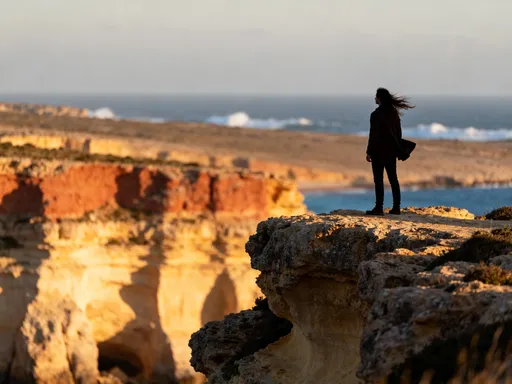
One of Gozo’s most breathtaking coastal hikes, the trail from Xlendi to Daħlet Qorrot offers panoramic views of the Mediterranean at its most dramatic. Starting from the small fishing village of Xlendi, the path winds along the edge of towering cliffs, where the land drops sharply into the sea below. The route, approximately 4 kilometers one way, is moderately challenging, with some rocky sections and occasional steep inclines. But every step is rewarded with ever-changing vistas — deep blue waters, distant islets, and the occasional falcon circling overhead.
Spring is the ideal time to walk this trail. The air is mild, the wildflowers are in bloom, and the landscape is painted in soft greens and vibrant purples. Rock lilies, sea daffodils, and endemic thyme carpet the ground, releasing their scent with every footstep. The trail is well-marked in most sections, though some parts require attention to footing, especially after rain. Hikers are advised to wear sturdy shoes, carry water, and wear sun protection, as shade is scarce along the route.
What makes this walk special is not just the scenery, but the way it heightens awareness. With each step, you notice more — the texture of the limestone, the pattern of lichen on the rocks, the distant cry of a seabird. The rhythm of walking allows the mind to settle, creating space for reflection and presence. Along the way, small coves appear below, some accessible by steep paths, others visible only from above. Daħlet Qorrot, the final destination, is a secluded inlet with crystal-clear waters, perfect for a swim if you’ve brought your suit and towel.
This trail is more than exercise — it is a meditation in motion. It invites you to slow down, to observe, and to appreciate the intricate details of the natural world. For families, couples, or solo travelers, it offers a shared experience of wonder and accomplishment. And when you return to Xlendi, perhaps for a meal of fresh fish at a waterfront restaurant, there is a deep satisfaction in knowing you’ve earned the view — not from a car window, but from your own two feet.
Mgarr Ix-Xini: A Quiet Harbor for Reflection
Far from the well-trodden paths, Mgarr Ix-Xini is a small, stone-framed inlet that embodies Gozo’s quieter charm. Nestled between two rocky promontories, the harbor was once used to load locally quarried limestone onto boats, a practice that faded with modern transportation. Today, it serves a different purpose — as a sanctuary for stillness. The surrounding area is dotted with abandoned farmhouses and olive groves, their twisted branches heavy with fruit in autumn. Dry stone walls, built by hand over generations, snake across the hillsides, marking ancient field boundaries and testaments to human resilience.
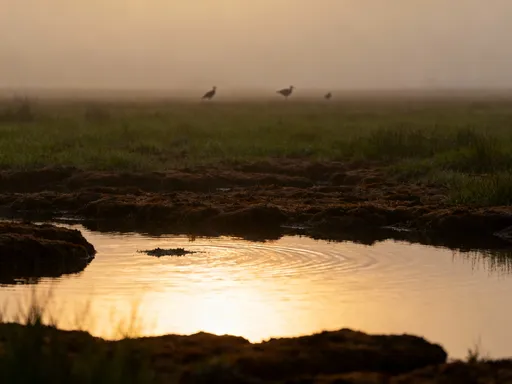
Visitors to Mgarr Ix-Xini come not for activity, but for atmosphere. Some kayak in from neighboring bays, gliding silently into the calm waters. Others arrive on foot, following a dirt path through the countryside. There are no facilities here — no café, no restrooms, no sunbeds. What you find instead is peace. The sound of water lapping against stone, the cry of a distant heron, the warmth of the sun on your skin. It is a place to sit, to breathe, and to let the world slow down.
Because it is not promoted in guidebooks or tour itineraries, Mgarr Ix-Xini remains untouched by crowds. This obscurity is its protection. Without foot traffic, the vegetation thrives, and the sense of solitude is complete. For photographers, the light at golden hour transforms the harbor into a painting — the water shimmering, the stone glowing, the shadows stretching long across the ground. For others, it is simply a place to remember what silence feels like.
In a travel culture that often equates value with visibility, Mgarr Ix-Xini challenges the assumption that a place must be famous to be meaningful. Its beauty lies in its simplicity, its ordinariness, its refusal to perform. To visit is not to conquer, but to witness — to stand quietly and let the moment unfold. In doing so, you begin to understand one of Gozo’s deepest truths: that the most powerful experiences are often the quietest.
Preserving Gozo’s Wild Spirit: Travel with Care
As eco-travel gains popularity, Gozo stands at a crossroads. Its unspoiled landscapes, clean waters, and rural charm attract increasing numbers of visitors seeking authenticity. Yet this very appeal threatens to erode what makes the island special. The challenge lies in balancing access with preservation — allowing people to experience Gozo’s beauty without diminishing it. The solution is not to close the island off, but to travel with intention and respect.
Responsible tourism begins with simple choices. Staying on marked trails protects fragile vegetation and prevents soil erosion. Carrying out all waste — including biodegradable items like fruit peels — helps maintain the cleanliness of natural areas. Avoiding loud noises, feeding wildlife, or disturbing nesting birds ensures that animals can thrive undisturbed. Supporting local businesses — family-run farms, guesthouses, and artisans — keeps the economy rooted in community rather than mass tourism.
Education plays a vital role. Many visitors arrive unaware of the ecological sensitivity of places like Dwejra or Ramla Bay. Clear signage, guided walks, and community-led initiatives help raise awareness. Schools on the island teach children about conservation, fostering a culture of stewardship that extends into adulthood. Tour operators are increasingly adopting sustainable practices, offering eco-certified tours and promoting low-impact activities like birdwatching, hiking, and cultural immersion.
Travelers, too, have a responsibility. To look, but not to take. To admire, but not to alter. To listen, but not to dominate. When you walk through Wied il-Għasri or sit by Mgarr Ix-Xini, you are not just a guest — you are a participant in the island’s story. Every choice you make ripples outward. By choosing to travel with care, you help ensure that Gozo remains a place of quiet wonder for generations to come.
The wild heart of Gozo beats slowly, steadily, in time with the sea and the seasons. It does not demand attention, but it rewards those who pay attention. To visit is not to conquer, but to connect. To see, but also to feel. To leave behind the noise of the world and step into a deeper rhythm — one that reminds us of who we are, and what we’ve forgotten. Gozo does not shout. It whispers. And if you listen closely, it might just change you.